
How to Choose Coffee Beans for Your Espresso Machine at Home
June 30th 2026
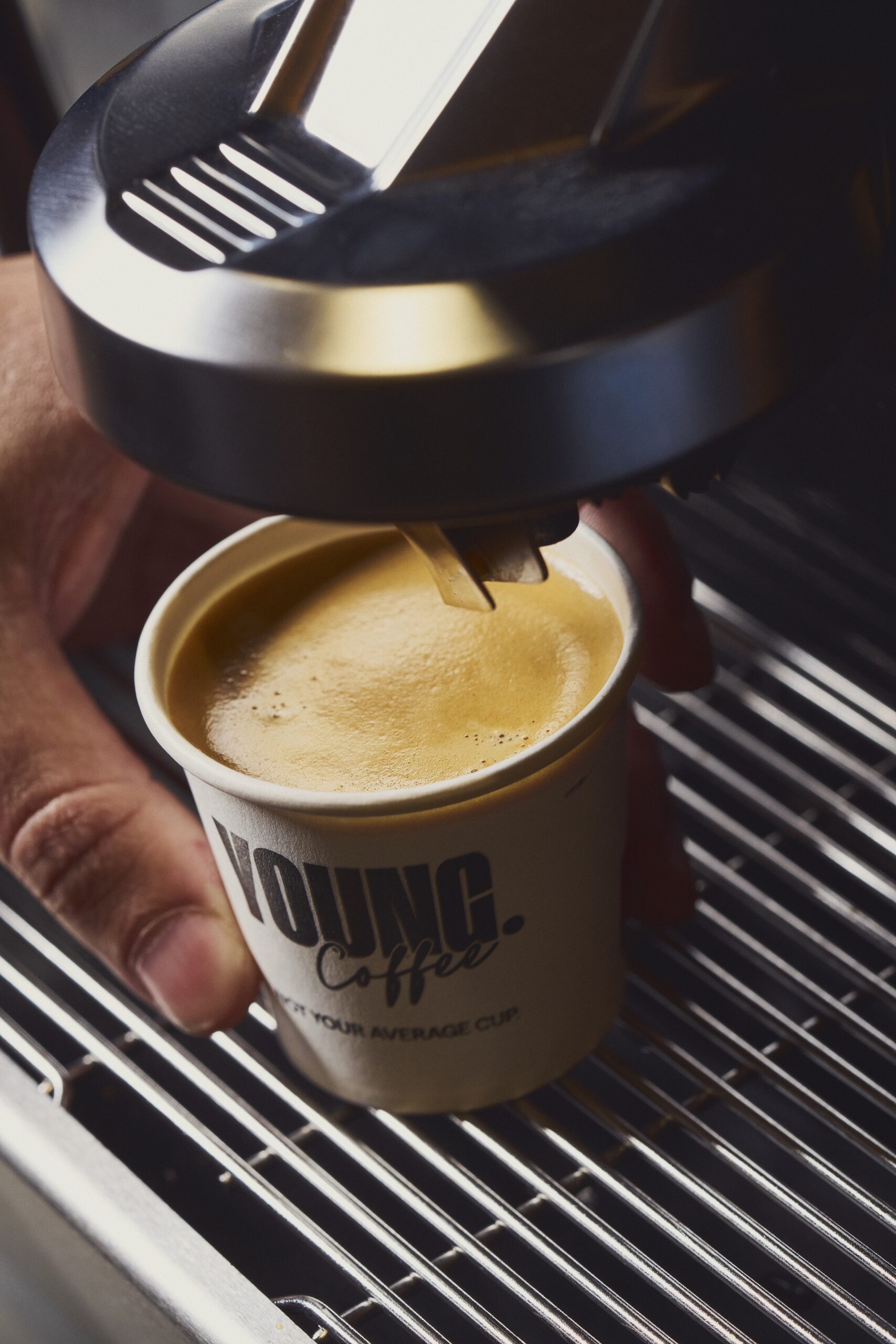
You bought the espresso machine. You watched the videos, dialled in the grind, and pulled your first shot, only for it to taste sour, or bitter, or strangely flat. Before you blame the machine, look at the bag. The beans you choose decide more about your espresso than almost anything else on the counter. The good news is that picking the right ones is not complicated once you understand four things: roast level, freshness, the single-origin-versus-blend question, and the bean itself. Here is how to choose coffee beans that make your home espresso sing.
Start with roast level
Roast level is the first decision because it shapes both flavour and how easy the coffee is to brew. Medium roasts extract well across a wide temperature range, which makes them reliable on most home machines and lets the natural character of the bean come through. Darker roasts dissolve more easily, produce a thick crema, and give consistent results even on entry-level equipment, with a bolder, fuller taste.
There is also a practical milk question. If you mostly make lattes, flat whites and cappuccinos, a medium-to-dark roast holds its own against steamed milk so the coffee does not disappear. If you prefer espresso neat and want to taste fruit, florals or chocolate notes, a medium roast rewards you. There is no wrong answer, only the roast that fits how you drink.
Single origin or espresso blend?
This is the question that trips up most beginners, so here is the honest guidance. If you are new to espresso and want a forgiving, consistent shot, start with a blend or a coffee sold specifically as an espresso roast. Blends are built on purpose: a roaster might use Brazilian beans for body, Colombian for acidity and an Indonesian for depth, creating a balanced cup that behaves predictably day after day.
Single origins are the next step. Once you are comfortable adjusting your grind and dose, a single origin lets you taste exactly what one farm or region produces, which is where espresso gets genuinely exciting. The trade-off is that single origins can be more sensitive to dial in. Think of blends as your dependable everyday shot and single origins as the weekend adventure.
Freshness makes or breaks the shot
Espresso is unforgiving about stale coffee. Beans are at their best for espresso roughly seven to twenty-one days after roasting. Too fresh, straight off the roaster, and the beans release so much carbon dioxide that the shot gushes and tastes uneven; this is why letting beans rest a few days helps. Too old, past a month or so, and the crema thins and the flavour goes flat. Always buy beans with a printed roast date rather than a distant best-before date, so you know where in that window you are.
Arabica, Robusta, and why crema lovers care
Most quality espresso beans are 100 percent Arabica, prized for smoothness and complex flavour. Some traditional Italian-style blends add a portion of Robusta, often between ten and thirty percent, because Robusta boosts crema, body and caffeine, and adds that punchy, classic espresso kick. If you love a thick crema and a strong, traditional taste, look for a blend with some Robusta. If you want a cleaner, sweeter, more nuanced cup, stay with all-Arabica.
Whole beans and a burr grinder: non-negotiable for espresso
If you take one thing from this guide, make it this: buy whole beans and grind them fresh. Pre-ground coffee loses its aromatics within minutes, and espresso needs that intensity. A burr grinder, which crushes beans to a uniform size, matters even more for espresso than for any other method, because even grinding is what lets you control extraction. Pair fresh whole beans with a decent burr grinder and average beans will outperform expensive ones ground days ago.
A quick checklist before you buy
- Roast level that matches your drink: medium for black and origin character, medium-dark for milk drinks.
- A coffee labelled for espresso, or a blend, if you are still learning the machine.
- A visible roast date, with a plan to rest the beans a few days before pulling shots.
- Whole beans, always, ground fresh with a burr grinder.
- All-Arabica for sweetness and clarity, or a touch of Robusta for crema and punch.
What your shot is telling you about the beans
If your espresso tastes sharp and sour, the coffee is often under-extracted, which can mean the beans are too fresh, the grind is too coarse, or the roast is lighter than your machine handles easily; resting the beans a few more days or grinding finer usually helps. If the shot tastes harsh and bitter, it is frequently over-extracted, pointing to a grind that is too fine or beans that are too dark for your settings. A balanced, sweet shot with a steady flow tells you the beans, the grind and the freshness are working together. Reading the cup this way turns bean choice from guesswork into something you can adjust with confidence.
Choosing espresso beans is really about matching the coffee to your machine, your milk habits and your taste. Get those right and you remove the biggest variable standing between you and a cafe-quality shot at home.
Frequently asked questions
What is the best roast for espresso at home?
A medium to medium-dark roast suits most home machines. Medium roasts keep more origin flavour and work well black, while medium-dark roasts give a fuller body and stand up better in milk drinks like lattes and cappuccinos.
Can you use any coffee beans in an espresso machine?
Technically yes, any roast can be brewed as espresso, but beans labelled for espresso or built as a blend are easier to dial in and more forgiving. Very light filter roasts can be harder to extract well on a home machine.
Is single origin or a blend better for espresso?
Blends are usually the better starting point because they are designed for balance and consistency. Single origins are rewarding once you are comfortable adjusting grind and dose, offering more distinct, expressive flavours.
How fresh should espresso beans be?
Aim for beans roughly seven to twenty-one days past their roast date. A few days of rest lets excess carbon dioxide escape so the shot pours evenly, while beans much older than a month start to lose crema and flavour.
Young Coffee is building espresso blends the same way we built our Valencia bar: balanced, consistent, and made for real mornings, not just for show. Our beans are roasted fresh and headed online and to Amazon across Europe. Pick up your bag here!